
In this new letter Arde Galery presents three great concepts with the letter J, like Jan Hendrix, Play (juego) and Jeanne-Claude & Christo, keep reading in order to know more about them
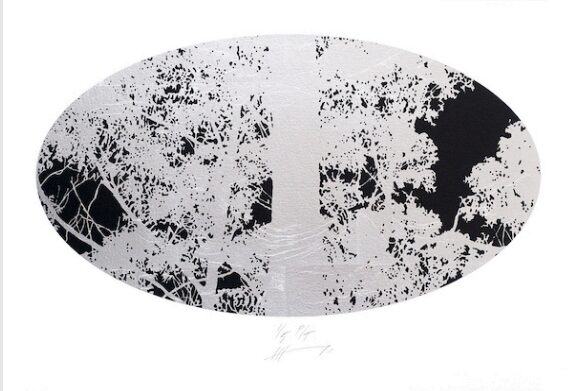
JAN HENDRIX | From line to environment, nature as graphic territory
Born in the Netherlands (1949) and based in Mexico since 1978, Jan Hendrix has developed a body of work that weaves together drawing, silkscreen, tapestries, and architectural interventions. His practice focuses on botanical observation: dissecting leaves, surfaces, and ecosystems to turn them into visual maps, as in his Atlas series, recently shown in San Miguel de Allende.
His works often take monumental form—murals, metal structures—where the texture of a leaf becomes an immersive environment. Sometimes, his pieces are integrated into architecture itself, as seen in the façades of Hotel Habita or the Rosario Castellanos Library.
At Arde Gallery, we celebrate his vision: nature translated into graphite, ink, or steel, revealing the quiet poetry in every vein. Hendrix teaches us to see the small as vast—turning each leaf into a landscape.
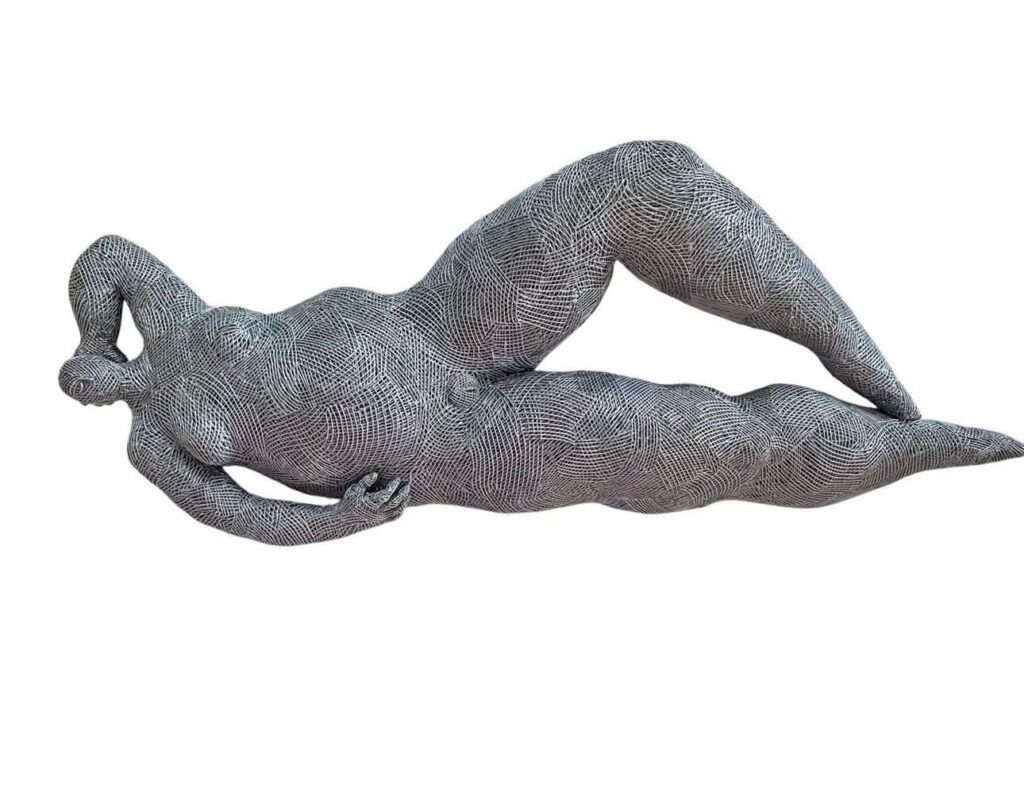
PLAY | Where art allows itself not to know
To play is to create without guarantees. To try, to fail, to repeat. In art, play is not frivolous—it’s a driving force, a method, a way of thinking.
It invites freedom, openness, and risk. It’s also a form of knowing.
Many contemporary artists embrace play: Ernesto Neto turns space into sensory playgrounds; Carsten Höller transforms galleries into interactive experiments; Yayoi Kusama invites us into obsessive, dreamlike worlds where play becomes connection.
At Arde Gallery, play is present in textures, spontaneity, and the unexpected. Because play isn’t just for childhood—it’s a serious way of imagining other possible worlds.
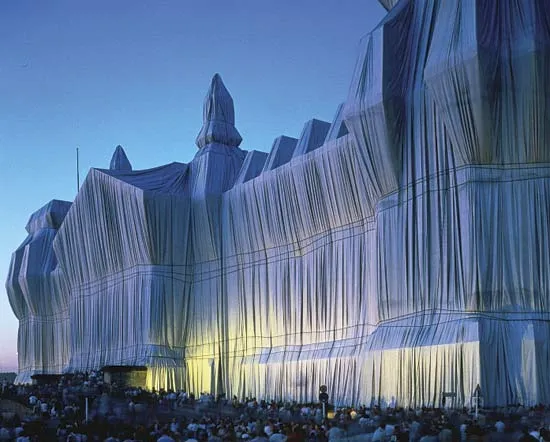
JEANNE-CLAUDE & CHRISTO | Wrapping the world to reveal its form
She and he signed together. Jeanne-Claude and Christo became known for converting urban and natural landscapes into large-scale artistic gestures.
Their interventions—like the wrapped Pont-Neuf or the shimmering Reichstag—started with a radical idea: to cover the familiar in order to make it seen anew.
The materials were simple—fabric, rope, temporary scaffolding—but the impact was monumental. Their works left no permanent object: they were ephemeral, collective, and profoundly visual.They didn’t aim to decorate space, but to alter our perception of it.
At Arde Gallery, we celebrate that kind of gesture: art that doesn’t need to last in order to leave a lasting impression.
 English
  Spanish